Chenyang Lei

雷晨阳

Since 2017, I’ve built visual systems that bridge what a camera captures and what a person actually wants—from computational imaging to multimodal AI, with work deployed on flagship phones and released as open-source models.

Portrait of Chenyang Lei

Currently: Technical Expert, Celia Lab, Huawei

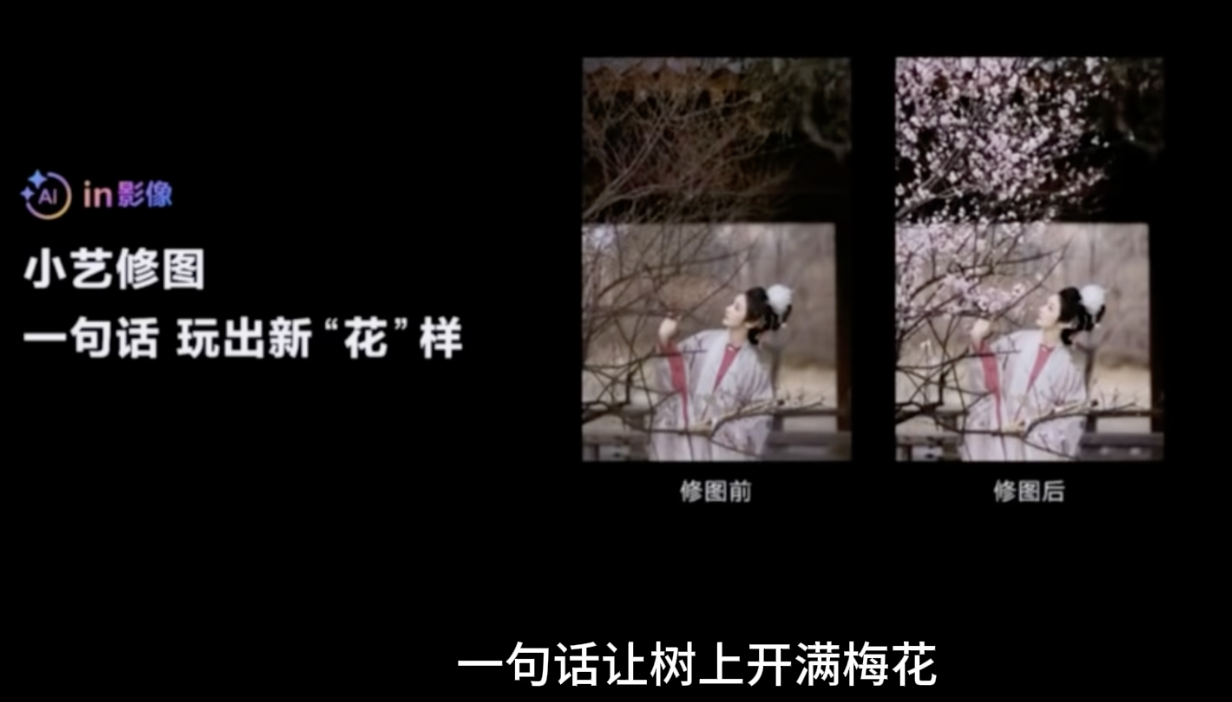
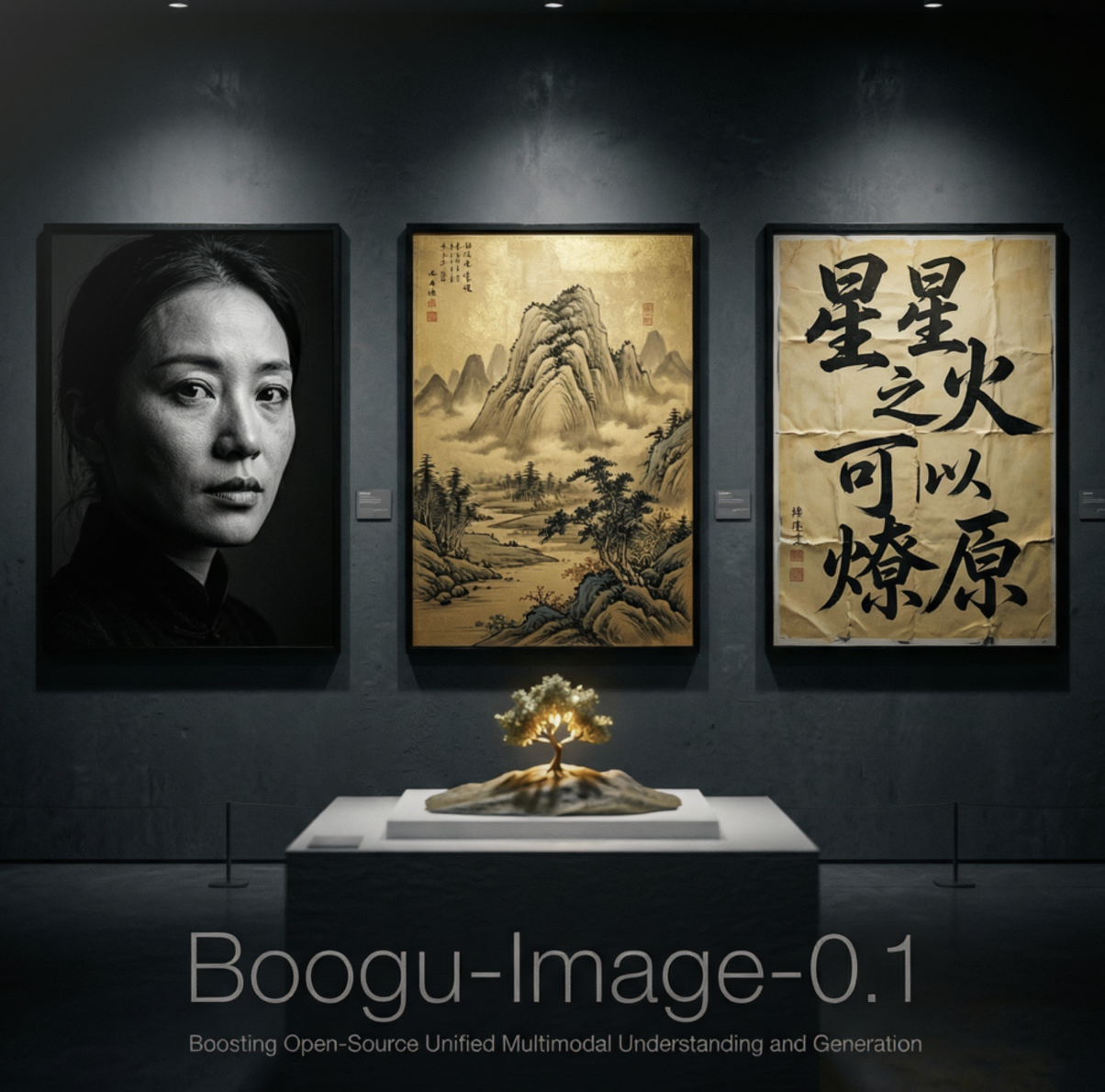
At Huawei’s Celia Lab, I previously served as technical lead for Celia AI Photo Editing (一句话P图), a flagship AI experience showcased at the HUAWEI Mate 80 series launch that has surpassed 100M uses. I also initiated Project Boogu and led its first open-source release, Boogu-Image-0.1—a 10B Apache-2.0 model family trained on 208.62M unique images at an estimated base-model cost of about $400K. I now lead the team building Boogu’s next generation across visual understanding, generation, and editing.

Previously: Assistant Professor at CAIR/HKISI, Chinese Academy of Sciences (2022–2025); Visiting Scholar at Princeton with Felix Heide (2022–2024), on computational imaging. Ph.D. from HKUST in 2022 with Qifeng Chen, B.Eng. from Zhejiang University in 2018. Research internships at MSRA, NVIDIA, and SenseTime.

Research Summary

From Capture to Intent

The recurring question in my work is: what information is missing between a physical scene, a captured signal, and the image a person intends?

I approach this as a systems problem. Depending on where the information is lost, I change the sensing process, the reconstruction method, or the multimodal model — not just the network scale. Earlier, this meant polarization-aware sensing and temporally coherent reconstruction; more recently, multimodal understanding, generation, and editing.

All of these recover what was missing after the fact. I am now interested in the return leg — deciding how a photograph should be taken in the first place: reasoning jointly about what makes an image good, the physical structure of the scene, and what a real camera can actually do.

Embodied Photographer Brain

From Intent to Final Image

I aim to build autonomous photography systems that translate creative intent into final images by jointly reasoning about visual aesthetics, physical environments, camera capabilities, and post-processing. Such systems could perceive and act in the real world, plan and execute shots, and collaborate with people across smartphones, intelligent cameras, drones, and robotic imaging platforms.
Multimodal Understanding, Generation & Editing

Translate visual content and human intent into generation and editing systems under real training and deployment constraints.

Huawei Mate 80 Celia AI Photo EditingCelia AI Photo Editing before-and-after exampleA flagship AI editing experience showcased at the HUAWEI Mate 80 series launch and deployed at exceptional scale, surpassing 100M uses.
Technical Report · 2026 Boogu-Image-0.1Initiator & Project LeadBoogu-Image-0.1 showcase The first release of Project Boogu: a 10B Apache-2.0 model family unifying image generation and editing. Trained on 208.62M unique images at an estimated base-model cost of about $400K, it matches or surpasses leading open models across standard benchmarks and approaches top closed systems. Bilibili reviewAI WeeklyComfyUI guide

Experience

Institution Role Period
Huawei, Celia Lab Technical ExpertProject Leader of Boogu-ImageTechnical Lead for “一句话P图” 2025 – Present
CAIR, HKISI, Chinese Academy of Sciences Assistant Professor 2022 – 2025
Princeton University Visiting Scholar 2022 – 2024
HKUST Ph.D. in Computer ScienceAdvised by Qifeng ChenRedBird PhD Scholarship, 2021 2018 – 2022
NVIDIA Research Intern 2022
Microsoft Research Asia (MSRA) Research Intern 2021 – 2022
SenseTime Research Intern 2019 – 2020
Zhejiang University B.Eng.Outstanding Graduate, 2018National Scholarship, 2017 2014 – 2018

Academic Service & Teaching

Academic Service

Program Committee / Reviewer

Conferences
CVPR · ICCV · ECCV · AAAI · IJCAI · IROS
Journals
TPAMI · IJCV · TIP · TVCG

HKUST

Teaching Assistant

  • COMP 2011Programming with C++
  • COMP 3031Principles of Programming Languages
  • COMP 4901JDeep Learning in Computer Vision